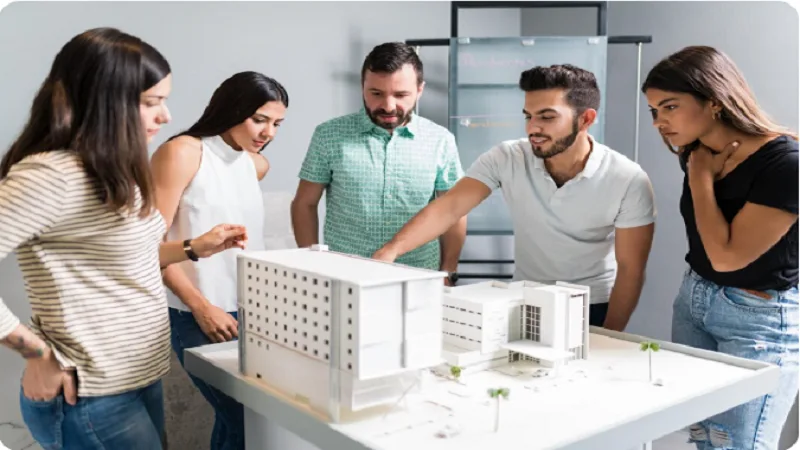
Architecture is an important part of everyday life. The buildings, homes, offices, public spaces, and cultural structures around us are all influenced by architectural ideas. Good architecture combines creativity, planning, technology, functionality, and an understanding of how people use spaces. In recent years, architecture has also become more focused on sustainability, smart technology, efficiency, and human comfort.
The keyword www flyarchitecture .net can be associated with an interest in architecture, design, construction concepts, and the changing ideas that shape modern spaces. Understanding these areas can help students, homeowners, designers, and anyone interested in buildings learn more about how architectural projects are developed.
What Is Architecture?
Architecture is the art and science of designing and planning buildings and other physical spaces. It involves much more than creating an attractive exterior. Architects must consider how a building will be used, how people will move through it, what materials should be used, how much it will cost, and how it will respond to its surroundings.
A successful architectural design balances appearance with practical requirements. A house, for example, should provide comfortable living areas, natural light, ventilation, privacy, and safety. Similarly, an office needs spaces that support communication, concentration, collaboration, and productivity.
Architecture can include many different types of projects, such as residential buildings, commercial properties, educational institutions, hospitals, cultural centers, parks, and public infrastructure.
The Importance of Architectural Design
Architectural design has a direct influence on the way people experience a space. A well-planned building can make everyday activities easier and more comfortable.
Several factors contribute to effective design:
- Functionality: Spaces should serve their intended purposes.
- Safety: Buildings must be designed with structural and user safety in mind.
- Comfort: Temperature, lighting, ventilation, and acoustics can affect occupants.
- Appearance: Materials, shapes, colors, and proportions contribute to visual character.
- Efficiency: Good planning can reduce unnecessary construction and operating costs.
- Environmental responsibility: Modern projects increasingly consider energy and resource consumption.
These factors demonstrate why architecture requires both creative thinking and technical knowledge.
Modern Trends in Architecture
Architecture continues to change as technology, lifestyles, and environmental concerns develop. One major trend is the movement toward sustainable design. Architects are increasingly considering energy efficiency, renewable energy, water conservation, recycled materials, and reduced waste.
Another important development is the use of digital tools. Computer-aided design, three-dimensional modeling, building information modeling, and visualization software allow professionals to explore ideas before construction begins.
Smart technology is also becoming more common. Modern buildings may use automated lighting, heating and cooling controls, security systems, and energy-monitoring equipment. These technologies can make buildings more efficient and easier to manage.
Sustainable Architecture
Sustainability has become a significant part of modern architectural planning. Buildings consume resources throughout their life cycle, from construction to everyday operation. Sustainable architecture attempts to reduce unnecessary environmental impact while maintaining useful and comfortable spaces.
Designers may consider the direction of sunlight, local climate, natural ventilation, insulation, water usage, and material selection. For example, placing windows strategically can increase daylight and reduce the need for artificial lighting during the day.
Green roofs, solar panels, rainwater collection systems, efficient appliances, and responsibly sourced materials are other approaches that may be incorporated into suitable projects.
Sustainable design does not necessarily mean that every building must use the same technologies. Instead, solutions should be selected according to the building’s location, purpose, climate, budget, and long-term requirements.
Technology and Architecture
Technology has transformed the architectural profession. In the past, architects relied heavily on hand-drawn plans and physical models. Although traditional methods still have value, digital tools now make it possible to develop and modify complex designs more efficiently.
Three-dimensional modeling is especially useful because it allows designers and clients to visualize a project before construction. Virtual models can show room layouts, building proportions, materials, and lighting conditions.
Building Information Modeling, commonly called BIM, can also bring different types of project information into a coordinated digital model. Architects, engineers, contractors, and other professionals can use shared information to identify potential problems and improve coordination.
The keyword www flyarchitecture .net may therefore be viewed in the broader context of architecture-related information, where digital technology and design increasingly work together.
Residential Architecture
Residential architecture focuses on homes and living environments. Designing a home requires careful consideration of the needs and routines of its occupants.
Important elements may include bedroom placement, kitchen organization, bathroom access, storage, outdoor areas, natural lighting, and privacy. The size and arrangement of rooms should reflect how residents are likely to use them.
Modern residential architecture often emphasizes flexible spaces. A room may serve several purposes depending on the household’s needs. For example, a home office can sometimes be designed to function as a guest room or study area.
Energy efficiency is another important consideration. Proper insulation, efficient windows, natural ventilation, and energy-saving equipment can contribute to a more comfortable and economical home.
Commercial Architecture
Commercial architecture involves buildings designed for businesses and organizations. Examples include offices, retail stores, hotels, restaurants, and mixed-use developments.
These buildings need to balance appearance, functionality, accessibility, safety, and business requirements. An office, for instance, may need meeting rooms, individual workspaces, collaborative areas, reception facilities, and employee amenities.
Retail architecture may focus more heavily on customer movement, product visibility, entrances, lighting, and branding. Hotels need to consider guest rooms, reception areas, restaurants, recreational spaces, and service areas.
Because commercial buildings often serve many people, accessibility and efficient circulation are especially important.
The Role of Materials
Materials are an essential part of architectural design. They affect appearance, durability, maintenance, cost, and environmental performance.
Common construction materials include concrete, steel, timber, glass, brick, stone, and composite products. Each material has different characteristics and appropriate applications.
Timber can provide warmth and a natural appearance, while steel can offer strength and flexibility. Glass can increase natural light and create visual connections between interior and exterior spaces. Concrete is widely used because of its structural properties and versatility.
Architects must select materials based on practical requirements rather than appearance alone. Climate, maintenance needs, availability, structural requirements, and project budget all influence material decisions.
Architecture and Human Experience
A building is ultimately created for people. For this reason, architectural design should consider how occupants will experience a space.
Natural light can make interiors feel more open and pleasant. Proper ventilation can contribute to indoor comfort. Clear pathways can make movement easier, while appropriate proportions can create a sense of balance.
Acoustics are also important. Schools, hospitals, offices, restaurants, and homes all have different sound requirements. Designers may use specific materials and spatial arrangements to control unwanted noise.
Good architecture can therefore support physical comfort, practical activities, social interaction, and a positive experience of the surrounding environment.
Planning an Architectural Project
Architectural projects usually involve several stages. The process may begin with understanding the client’s requirements and examining the site. Designers then develop initial concepts and evaluate different possibilities.
After a concept is selected, more detailed drawings and models can be prepared. Structural, mechanical, electrical, and other technical requirements may then be coordinated.
Before construction, projects generally require appropriate approvals, documentation, budgeting, and scheduling. During construction, professionals monitor progress and coordinate with contractors and other specialists.
Each project is different, but careful planning helps reduce misunderstandings and unexpected problems.
The Future of Architecture
The future of architecture is likely to involve continued integration of sustainability, technology, and human-centered design. Buildings may become increasingly connected through sensors and automated systems.
Artificial intelligence and advanced computational tools are also influencing design workflows. These technologies can help professionals explore multiple design possibilities, analyze building performance, and organize complex information.
At the same time, traditional architectural principles remain important. Buildings still need to be safe, functional, durable, attractive, and appropriate for their communities.
Future architecture will therefore likely combine new technologies with established principles of planning and design.
Conclusion
Architecture is a broad field that combines creativity, engineering, technology, environmental awareness, and human needs. From residential homes to large commercial developments, architectural decisions influence how people live, work, and interact with their surroundings.
The topic represented by www flyarchitecture .net can be understood within this wider world of architectural ideas, modern design, technology, and building practices. Learning about these subjects provides a useful foundation for understanding how contemporary spaces are planned and developed.
As architecture continues to evolve, sustainability, digital tools, efficient materials, and human comfort will remain important considerations. Whether someone is studying architecture, planning a building, or simply interested in design, understanding these basic principles can provide valuable insight into the built environment.See More